
ÉCLAT LETTER N°2
N°2 | Why does my clothing feel itchy? 5 tips for choosing clothes for sensitive skin
INTRODUCTION
It's not just the material: Why clothes feel itchy
You might think, "Cotton is safe" or "Synthetic fibers cause irritation," but you can't judge comfort by the material name alone.
Even with 100% cotton, the softness and feel vary depending on the fibers, yarn, weaving method, and surface finish.
The important thing is not to decide based solely on the material label, but to look at how the entire garment touches your skin.

1. Check the fabric surface and texture
The first thing to check is the surface of the fabric that will be in direct contact with your skin.
Materials with a nap (fuzz), stiff fibers, or textured fabrics can cause irritation for some people.
Something that feels soft to the touch of your palm might feel different on your neck or the insides of your arms. If you can try the garment on, check how the fabric feels against areas that are sensitive to irritation.

2. Check the seams and tags inside the garment
Even if the fabric itself is soft, seam allowances, stitching, or quality labels can rub against your skin and cause discomfort.
The neck, shoulders, underarms, and cuffs are particularly prone to contact with your skin as you move.
When choosing clothes, don't just look at the design on the outside; check the inside as well.
- Is the seam allowance hard or raised?
- Will the ends of the threads touch your skin directly?
- Are the corners of the tag stiff?
- Is the tag designed to be removable?
These are areas you rarely see from the outside, but such details make all the difference in how a garment feels throughout the day.
3. Choose a size with minimal constriction and friction
Clothes that fit too tightly against the body can easily cause friction between the fabric and your skin.
Check to see if you feel any constriction in specific areas, such as the neckline, cuffs, underarms, or waist.
When trying items on, I recommend not just standing still, but also testing movements like raising your arms, bending your elbows, and sitting in a chair.
4. Consider how it feels on the skin when you sweat
Even clothes that don't normally bother you can cause irritation during seasons when you sweat.
When fabric sticks to your skin due to sweat or humidity, it creates friction every time you move.
When choosing summer clothes, it is important to look not only at breathability and moisture absorption but also at whether the fabric is likely to cling to the skin.
5. Check the care instructions and laundry symbols
Proper care after purchase is essential to keeping your clothes comfortable for a long time.
Depending on how you wash them, the texture or surface smoothness of the fabric may change. Check the laundry symbols before buying to see if the garment is easy for you to care for.
A checklist for before you buy
Once you find a piece you like, try checking it against these criteria:
Rather than looking for a garment that meets every single requirement, the first step to choosing comfortable clothing is to understand which areas of your body are most sensitive to irritation.

Choosing the clothes you want to wear,
not just the ones you can
When it comes to skin-friendliness, it often feels like you have to give up on stylish clothes.
At Atelier éclat, we believe you shouldn't have to choose between the two.
In our garment making, we carefully consider every detail, from the selection of materials to the finishing of seam allowances, tag specifications, and even the silhouette when the body is in motion.
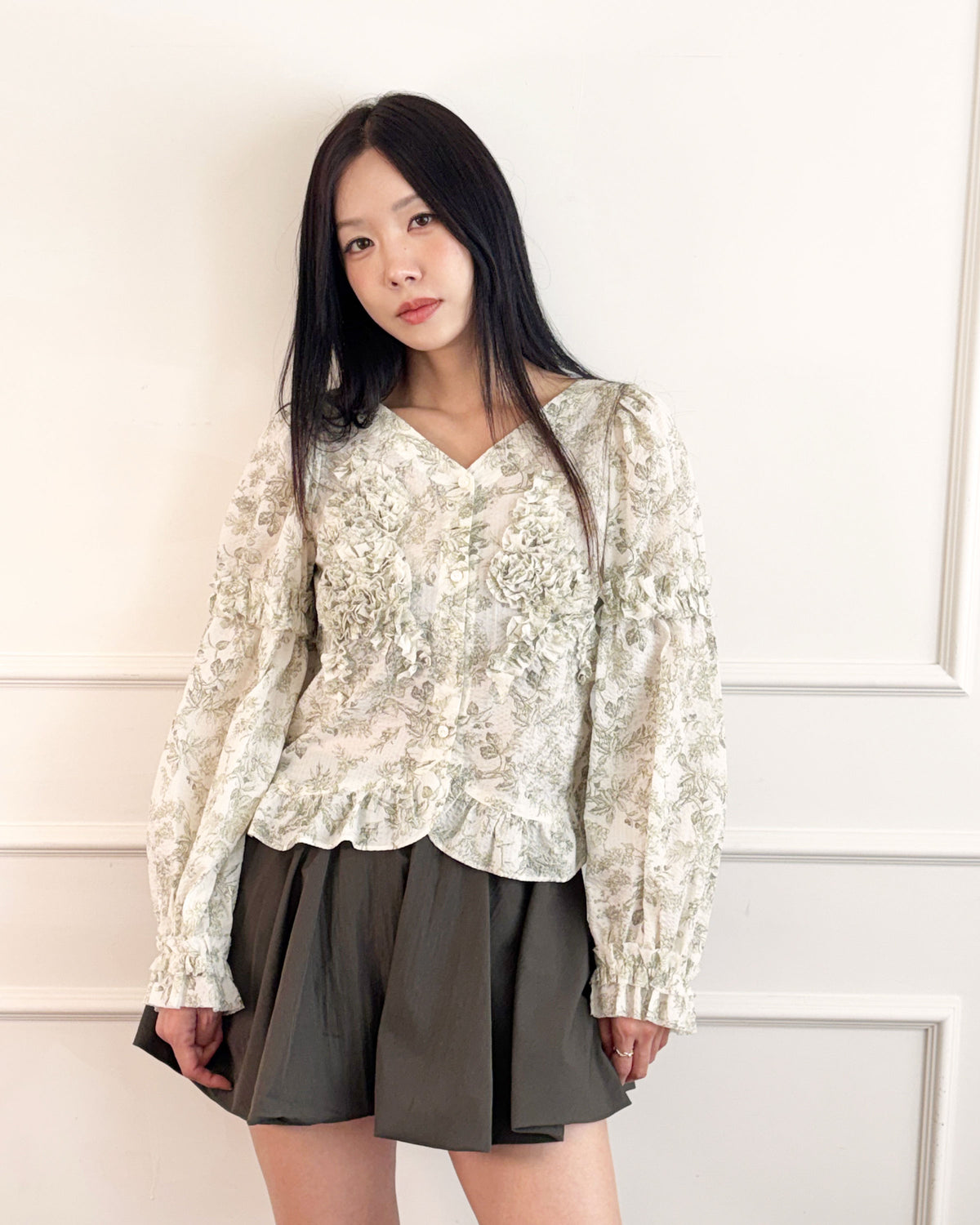
The Roman Blouse is made from 100% cotton fabric with a fine, textured weave. We've combined a light, airy feel that doesn't stick to the skin with a glamorous, ruffled design.
During product development, each sample was worn by people with a history of atopic dermatitis and currently sensitive skin, allowing us to make adjustments while checking for any itchiness or discomfort.
Of course, everyone's skin is different. We cannot guarantee that these items will be free of irritation for everyone.
Even so, we hope to reduce the number of people who have to give up on the clothes they want to wear due to skin concerns.
We want to craft clothes that are not just comfortable or just beautiful, but pieces carefully made from the hidden details up.
May the time you spend choosing your clothes be a moment of looking forward to your future self, rather than a source of anxiety.
With love,
Atelier éclat
※This article provides general advice on choosing clothes and is not intended as medical diagnosis or treatment. If you experience persistent itching, redness, rashes, pain, or other symptoms, stop wearing the garment and consult a medical professional such as a dermatologist.
RELATED ITEM
The piece featured in this story
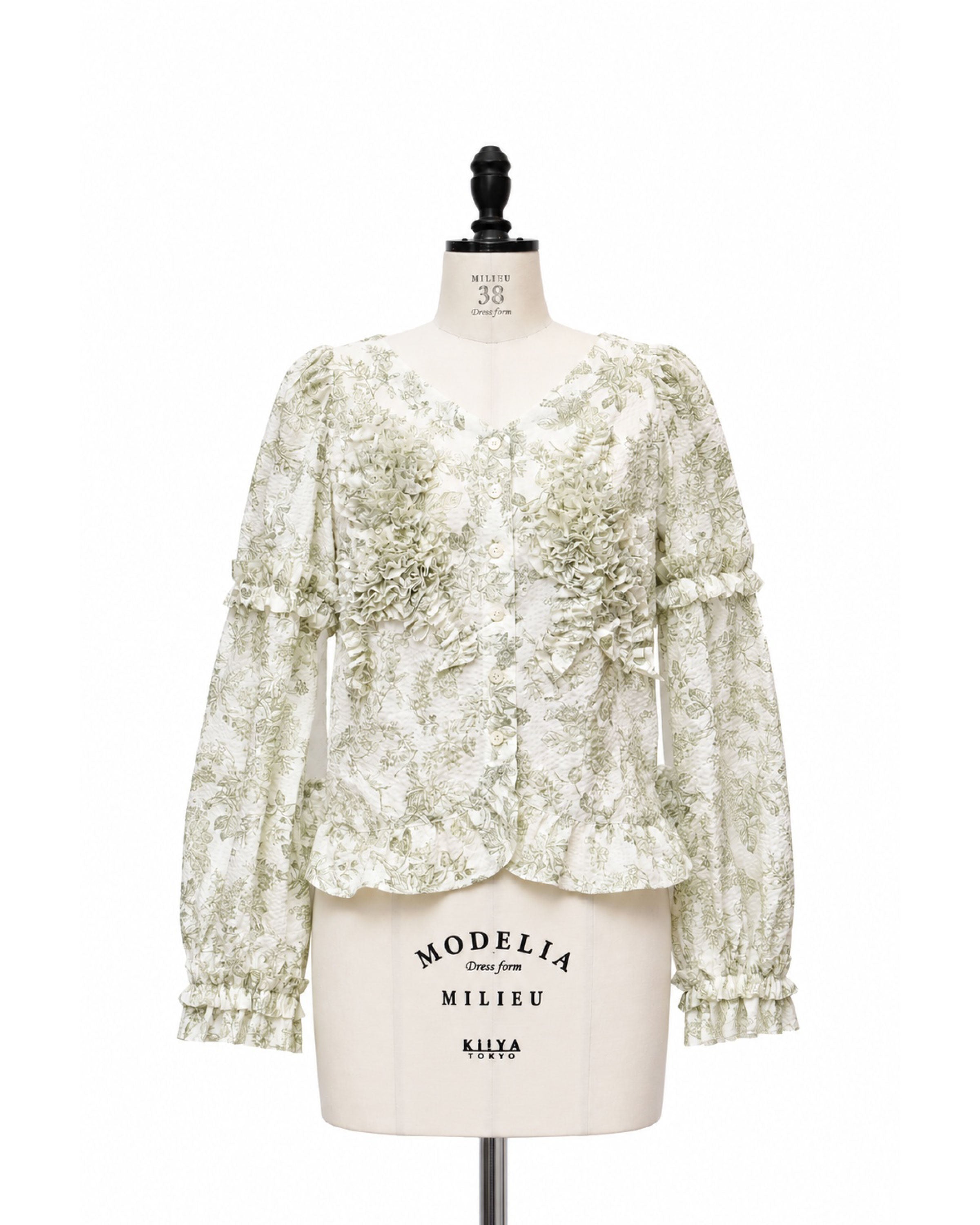
Roman Blouse
Gentle on the skin, with a design that makes your heart flutter.